Champagne Wholesale Suppliers for Bulk Orders Worldwide
Finding reliable champagne wholesale suppliers is an important part of beverage procurement for retailers, distributors, restaurants, hotels, bars, event companies, supermarkets and hospitality businesses. Whether a business needs Champagne for everyday retail sales, luxury hospitality, weddings, corporate events or international distribution, selecting the right wholesale supplier can influence product availability, purchasing efficiency and overall business performance.
Champagne occupies a unique position in the global sparkling wine market. It is strongly associated with celebrations, luxury, premium hospitality and special occasions. Well-known labels such as Dom Pérignon, Veuve Clicquot, Bollinger, Krug and Ruinart have international recognition, while brands such as Ace of Spades and Luc Belaire can appeal to customers looking for distinctive premium sparkling wine products.
For commercial buyers, purchasing Champagne wholesale involves more than finding an attractive bottle price. Businesses need to consider brand selection, bottle formats, case quantities, availability, shipping, documentation, taxes, customs requirements and destination-market regulations.
Food & Drinks Suppliers Sp. z o.o. provides an online wholesale beverage platform where business buyers can explore Champagne and other beverage categories. Its Champagne selection includes internationally recognized names and individual product pages designed to help buyers research specific brands.
This guide explains how to evaluate Champagne wholesale suppliers, how to build a strong Champagne portfolio and what retailers, importers, distributors and hospitality businesses should consider when sourcing Champagne in bulk.
Buying Champagne wholesale can be an efficient option for businesses that regularly sell or serve sparkling wine.
Retailers need inventory for their shelves, while restaurants and hotels may require Champagne for wine lists, room service, banquets and special events. Distributors may purchase larger quantities for resale to other businesses.
Wholesale purchasing can also help businesses create a broader product range. Instead of stocking only one sparkling wine, a retailer can offer recognizable Champagne brands across different price points and styles.
A carefully planned product portfolio can include accessible options for regular customers, premium labels for special occasions and prestige cuvées for luxury buyers.
Choosing the right supplier requires evaluating several factors.
A strong Champagne supplier should offer enough variety to meet different commercial requirements.
Some customers may want a recognizable Brut Champagne, while others may be searching specifically for rosé, Blanc de Blancs or prestige Champagne.
A broad catalog gives businesses more flexibility when responding to customer demand.
The Food & Drinks Suppliers Sp. z o.o. Champagne wholesale category provides a starting point for buyers researching Champagne products for commercial purchasing.
Brand recognition is particularly important in the premium beverage sector.
Consumers may walk into a retailer already knowing which Champagne brand they want. Hotels and restaurants may also choose recognizable labels because brand familiarity can influence customer expectations.
A wholesale supplier offering established brands can therefore help retailers build a portfolio that appeals to customers looking for familiar names.
Wholesale buyers should confirm whether products are available in sufficient quantities for their business requirements.
Businesses should confirm current stock, expected replenishment and ordering requirements before committing to large purchases.
For international buyers, supplier location is only one part of the purchasing decision.
Importers and distributors should also consider shipping arrangements, customs documentation, destination regulations and delivery timelines.
The Food & Drinks Suppliers Sp. z o.o. Champagne category is presented for wholesale buyers in markets including Europe, the USA and Asia.
International purchasers should independently verify all local licensing, alcohol-import, customs, taxation and labeling requirements before placing an order.
Champagne is a specific category of sparkling wine associated with the Champagne region of France.
This distinction is important for businesses creating product descriptions, online categories and marketing campaigns.
Not every sparkling wine is Champagne. Champagne is produced under specific regional and production rules, while sparkling wines from other regions may belong to different categories.
For retailers and distributors, accurate classification is essential for professional merchandising and SEO.
Brut is one of the most commercially important Champagne styles.
Its broad appeal makes Brut Champagne suitable for restaurants, hotels, retailers, bars, events and celebrations.
A retailer looking to establish a core Champagne selection may prioritize recognizable Brut products before expanding into specialist styles.
Rosé Champagne can appeal to customers looking for distinctive presentation and flavor.
Its color and premium positioning make it particularly relevant to celebrations, weddings, luxury events, restaurants and hospitality businesses.
A Champagne retailer can use Rosé products to complement its standard Brut selection.
This category is particularly interesting for wine enthusiasts and customers looking for premium Champagne with a distinctive style.
Ruinart Blanc de Blancs is one of the products represented in the Food & Drinks Suppliers Sp. z o.o. Champagne selection.
Prestige cuvées typically occupy the premium end of the Champagne market.
These products can be relevant to luxury hotels, high-end restaurants, specialist wine retailers, corporate events and customers purchasing Champagne for major celebrations.
Products such as Dom Pérignon and Krug can provide a premium tier within a wholesale portfolio.
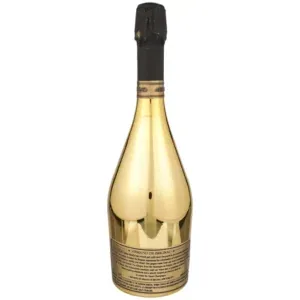
Ace of Spades is a premium Champagne brand recognized for its distinctive metallic bottle presentation and luxury positioning.
Its visual identity can make it attractive for premium retail environments, nightlife venues, luxury hospitality and special events.
For businesses targeting customers interested in premium and visually distinctive Champagne, Ace of Spades can be an important category.
Explore the Ace of Spades Champagne wholesale page to research the dedicated product offering.
When purchasing premium Champagne for commercial resale, buyers should confirm bottle formats, packaging, availability and applicable wholesale terms.
Dom Pérignon is one of the most recognizable prestige Champagne names in the world.
The Dom Pérignon Brut 2008 product can appeal to collectors, premium retailers, luxury hospitality businesses and customers purchasing Champagne for significant occasions.
Vintage Champagne products can have different commercial considerations from mainstream non-vintage products, including availability and inventory planning.
Businesses interested in this product can explore the Dom Pérignon Brut 2008 wholesale page.
For premium inventory, businesses should carefully consider storage conditions and stock rotation.
Bollinger is a respected Champagne house with a strong international reputation.
Bollinger Brut can appeal to customers looking for premium Champagne with strong brand recognition.
For retailers, stocking an established Champagne house can create an attractive premium segment alongside mainstream sparkling wine products.
The Bollinger Brut Champagne wholesale page provides a dedicated destination for buyers researching this product.
Luc Belaire is a French sparkling wine brand rather than Champagne in the strict geographic sense.
This distinction is useful for retailers and distributors because product categories should accurately identify the type of sparkling wine being sold.
Luc Belaire Rosé can nevertheless be relevant to businesses looking for premium French sparkling wine and visually distinctive products.
The Luc Belaire Rosé wholesale page provides a dedicated product destination.
Businesses can position products accurately while still targeting consumer searches for premium sparkling wine and related categories.
Veuve Clicquot is one of the world’s best-known Champagne houses.
Its strong brand recognition makes it relevant to retailers, restaurants, hotels, bars and event businesses.
A recognizable Brut Champagne can serve as a core product for customers who want a familiar premium label.
Commercial buyers interested in the brand can visit the Veuve Clicquot Brut wholesale page.
For retailers, a product with strong consumer recognition can help customers make purchasing decisions quickly.
Taittinger is another established Champagne house, and Brut Prestige Rosé offers an alternative to standard Brut Champagne.
Ruinart is one of the established Champagne houses, and its Blanc de Blancs is a premium product with strong appeal among Champagne enthusiasts.
Blanc de Blancs can provide useful variety within a Champagne portfolio because it offers consumers an alternative to standard Brut products.
Retailers targeting premium wine customers may consider including Blanc de Blancs alongside Brut and Rosé Champagne.
Explore the Ruinart Blanc de Blancs wholesale page for more information.
Krug is positioned at the luxury end of the Champagne category.
Krug Grande Cuvée can appeal to high-end consumers, luxury hotels, fine-dining restaurants, specialist wine retailers and premium event businesses.
For businesses selling prestige Champagne, products such as Krug can provide a luxury tier above mainstream premium offerings.
Selecting a supplier should be approached as a commercial procurement decision.
First, identify the brands your customers are most likely to purchase.
If your business serves a premium market, you may prioritize prestige Champagne. If your customers are more price-sensitive, a mixture of mainstream and premium products may be more appropriate.
Wholesale pricing should be evaluated together with the total landed cost.
The lowest product price does not necessarily produce the lowest overall cost.
Ask the supplier about minimum order quantities before planning your purchase.
Minimum quantities can affect cash flow, storage requirements and inventory turnover.
Champagne may be available in different bottle sizes depending on the specific product and market.
This information is important for transportation and warehouse planning.
International buyers should confirm whether the supplier can serve their destination and what shipping arrangements apply.
The buyer should also determine who is responsible for customs clearance and import procedures.
Retailers can use Champagne to create several pricing and product tiers.
These products can serve customers looking for recognizable Champagne for celebrations.
Premium brands can appeal to customers seeking a higher-value purchase.
Rosé provides variety and can be marketed for weddings, romantic occasions and premium celebrations.
This category can attract Champagne enthusiasts interested in specific production styles.
Prestige products can serve luxury customers, collectors and high-end event buyers.
By creating different tiers, retailers can avoid relying on a single price segment.
Hotels and restaurants can use Champagne across multiple areas of their business.
Champagne can be sold by the bottle or glass, used in celebrations, included in wedding packages and offered through room service.
Luxury hotels may also use prestige Champagne to reinforce premium positioning.
A restaurant does not necessarily need a huge Champagne portfolio. A carefully selected range can provide enough variety while maintaining manageable inventory.
Events are an important commercial application for Champagne.
Wedding planners, catering companies and event venues may purchase sparkling wine for large groups.
Corporate events, award ceremonies, product launches and luxury parties can also create demand for premium sparkling wine.
Ordering too little can create shortages, while ordering excessive quantities can create unnecessary costs.
Distributors and importers require a more detailed purchasing strategy.
They may need to supply multiple retailers or hospitality businesses, meaning stock availability and repeat purchasing are particularly important.
A distributor should also maintain accurate product records for every shipment.
International Champagne sourcing can open access to premium brands and new markets, but alcohol is highly regulated in many jurisdictions.
Before importing Champagne, businesses should confirm the rules applicable to their destination.
Businesses should obtain appropriate professional or regulatory advice where necessary and verify destination-country rules before ordering.
Its dedicated Champagne wholesale category provides a central starting point for businesses searching for Champagne products for commercial purchasing.
The website also provides dedicated product pages for several recognizable brands.
This structure can make it easier for buyers who already know which products they are looking for to move directly from general category research to specific brand research.
Buyers should confirm current availability, pricing, minimum order quantities, shipping arrangements and destination requirements directly with the supplier before placing an order.
A successful Champagne portfolio should reflect the customers a business actually serves.
Offer products across appropriate price levels rather than concentrating the entire inventory in one segment.
Recognizable brands can help attract consumers who already know what they want.
Consider combining Brut, Rosé, Blanc de Blancs and prestige Champagne where appropriate.
Estimate monthly demand and establish sensible reorder levels.
Track which brands, styles and bottle sizes sell most effectively.
Evaluate delivery reliability, product availability, communication and commercial terms over time.
A Champagne wholesale supplier provides Champagne and related beverage products to commercial buyers such as retailers, restaurants, hotels, distributors, bars and event businesses.
Yes. Online wholesale platforms can allow commercial buyers to research products and communicate with suppliers about bulk purchasing requirements.
Check brand availability, bottle size, case quantity, wholesale pricing, minimum order requirements, shipping, documentation, taxes and destination-country regulations.
Demand varies by market, but internationally recognized names can include Veuve Clicquot, Bollinger, Dom Pérignon, Krug, Ruinart and Taittinger.
Luc Belaire is a French sparkling wine brand and should not be described as Champagne in the strict geographic sense. Champagne is specifically associated with the Champagne region of France and its applicable production rules.
Brut is a common Champagne style characterized by relatively low residual sugar. It is one of the most widely recognized styles in the international market.
Blanc de Blancs means “white from whites” and generally refers to Champagne made exclusively from white grapes, traditionally Chardonnay.
Yes. Champagne can be sold by the bottle or glass and can be incorporated into restaurant wine lists, celebrations and special-event packages.
International importation depends on destination-country laws, licensing, customs, taxation and shipping requirements. Buyers should verify all applicable regulations before placing orders.
Finding the best Champagne wholesale suppliers for bulk orders worldwide requires careful consideration of product selection, brand recognition, pricing, availability, logistics and regulatory requirements.
A strong Champagne portfolio can include mainstream Brut products, Rosé Champagne, Blanc de Blancs and prestige cuvées. This allows retailers, restaurants, hotels and distributors to serve customers with different tastes, budgets and purchasing occasions.
Internationally recognized brands such as Ace of Spades, Dom Pérignon, Bollinger, Veuve Clicquot, Taittinger, Ruinart and Krug can provide different levels of premium positioning. Luc Belaire can also be relevant to businesses looking for premium French sparkling wine, although it should be correctly classified as sparkling wine rather than Champagne.
For businesses researching Champagne wholesale suppliers, Food & Drinks Suppliers Sp. z o.o. provides a dedicated online Champagne category and individual product pages for several internationally recognized brands.
Start your research with the Food & Drinks Suppliers Sp. z o.o. website, then explore its Champagne wholesale category to review the available selection.
Whether you are a liquor retailer, supermarket buyer, hotel manager, restaurant operator, event company, importer or beverage distributor, the right wholesale supplier can help you develop a Champagne portfolio suited to your market.
Before confirming a bulk order, always verify current product availability, pricing, minimum order quantities, shipping arrangements, documentation and destination-market compliance.
With a well-researched supplier, carefully selected brands and a customer-focused product strategy, businesses can build a competitive Champagne offering for retail, hospitality and distribution markets worldwide.
Your email address will not be published. Required fields are marked *.
Save my name, email, and website in this browser for the next time I comment.